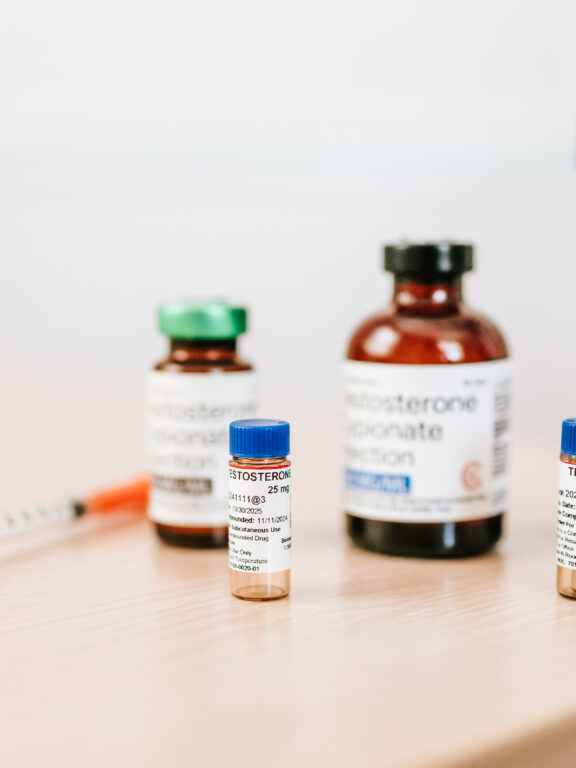

Many women notice shifts in their energy, mood, libido, or body composition and chalk it up to stress, aging, or a busy schedule. What they may not realize is that testosterone could be playing a role.
Testosterone is often thought of as a “male hormone,” but women produce it too, and it matters more than most people realize. When levels drop below what’s optimal, the effects can be wide-ranging and easy to overlook. This guide covers the most common signs of low testosterone in women so you can recognize what your body might be trying to tell you.
Common Signs of Low Testosterone in Women
These symptoms can show up gradually and vary from person to person. If several of them sound familiar, it may be worth exploring your hormone levels with a qualified provider.
1. Low Energy and Fatigue
Feeling persistently drained, even after a full night’s sleep, is one of the more telling signs of low testosterone. This isn’t the ordinary tiredness that comes from a busy week. It’s an ongoing low-stamina feeling that makes everyday tasks feel heavier than they should. Women often describe it as running on empty no matter how much they rest.
2. Reduced Sex Drive
Testosterone contributes to sexual desire in women just as it does in men. When levels are low, you may notice a significant drop in interest in sex, less physical responsiveness, or simply feeling disconnected from that part of your life. This is a common experience and not something you have to accept as “just getting older.”
3. Difficulty Building or Maintaining Muscle
Testosterone supports lean muscle mass and strength. If you’ve been exercising consistently but aren’t seeing results, or if you’ve noticed a gradual loss of muscle tone or physical strength without a clear explanation, low testosterone may be a contributing factor.
4. Weight Gain or Slower Metabolism
Some women experience changes in body composition, particularly increased fat around the midsection, even when their diet and activity level haven’t changed. Testosterone plays a role in metabolic function, and when it’s low, the body can shift toward storing fat more readily. Addressing testosterone alone may not resolve this entirely, but it is often part of a broader hormonal picture worth evaluating.
5. Brain Fog and Lack of Focus
Difficulty concentrating, forgetfulness, or feeling mentally slower than usual are symptoms that are easy to dismiss, but they’re also real and disruptive. Hormonal shifts, including changes in testosterone, can affect cognitive clarity and make it harder to stay sharp throughout the day.
6. Mood Changes or Low Motivation
Low testosterone has been linked to mood shifts, irritability, and a general drop in motivation or sense of well-being. If you’ve been feeling flat, less engaged with things you used to enjoy, or more easily frustrated, it’s worth considering hormones as a potential piece of the puzzle, not just stress or circumstance.
Why These Symptoms Are Easy to Miss
One of the reasons low testosterone in women often goes unrecognized is that its symptoms don’t arrive all at once; they creep in gradually, often over months or years. Fatigue gets blamed on a hectic schedule. Mood changes get attributed to stress. A lower libido gets chalked up to relationship dynamics. Brain fog is written off as “just being busy.”
These symptoms also overlap significantly with other conditions: hypothyroidism, perimenopause, adrenal fatigue, depression, and poor sleep all share similar presentations. That overlap can make it difficult, for women and providers alike, to identify testosterone as a contributing factor without a closer look.
The result is that many women spend months or even years managing symptoms individually, without ever addressing the underlying hormonal imbalance. Understanding that testosterone plays a role in female health is an important first step toward getting answers.
When to Consider Medical Evaluation
No single symptom tells the full story. Feeling tired one week or having a low-motivation day is a normal part of life. But when several of these symptoms are persistent, showing up together, and affecting your quality of life, that’s a pattern worth taking seriously.
Rather than self-diagnosing, the most useful step is to speak with a provider who can evaluate your symptoms in full context and order appropriate hormone testing. Lab work can reveal where your testosterone levels fall, not just within a generic “normal” range, but in relation to what’s optimal for how you feel. Treatment decisions should always be based on the complete clinical picture: your symptoms, your labs, your health history, and your goals.
If you’ve been told your levels are “fine” but you still don’t feel well, a second opinion from a hormone-focused provider may be worth pursuing.
Take the Next Step Toward Hormonal Balance
The symptoms described in this article are real, they’re common, and they don’t have to be your new normal. Many women find that addressing hormonal imbalances, including low testosterone, makes a meaningful difference in how they feel day to day.
If you’re recognizing a pattern in what you’ve read here, we’d love to help you get clarity. Schedule a wellness consultation with our team at Cassie Lane Med Spa and take the first step toward feeling like yourself again.